
Cultured Butter
Butter churned from fermented cream, in the French and northern European tradition. Tangy, rich, and complex, with a flavor plain butter does not have.
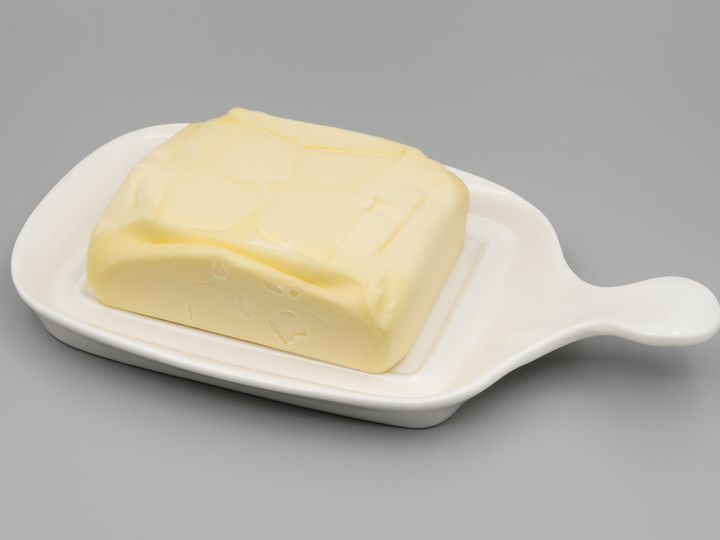
| Category | Butter & Spreads |
|---|---|
| Maker / Origin | France |
| Storage | Keep wrapped and refrigerated; the cultures stay happiest cold and sealed from fridge odors. |
| Shelf life | About 1 to 2 months in the fridge; up to 6 months frozen. |
| Best uses | Spreading on good bread, finishing sauces, pastry, and steamed vegetables. |
| Substitutes | European-style butter, or regular butter with a squeeze of lemon for brightness. |
| Pairings | Crusty sourdough, radishes with flaky salt, croissants, and jam. |
| Last checked | October 18, 2026 |
About it
Cultured butter starts with cream fermented by live cultures, like yogurt, before churning. The fermentation converts some lactose and builds the tangy, complex flavor long prized in French and northern European butter.
Storing it
Treat it like good cheese: wrap well, keep cold, and let it soften at room temperature before serving so the tang and aroma open up. Freeze spare sticks for up to 6 months without much loss.
Using it
Cultured butter earns its price at the table, spread thick on bread where its tang leads. In the kitchen it lifts pan sauces and mashed potatoes; in pastry it adds a gentle depth plain butter lacks.
Swaps & pairings
European-style butter matches the richness without the tang. Regular butter plus a tiny squeeze of lemon or a spoon of crème fraîche in sauces can suggest the cultured flavor in cooked dishes.
More from this maker: France