
Cottage Cheese
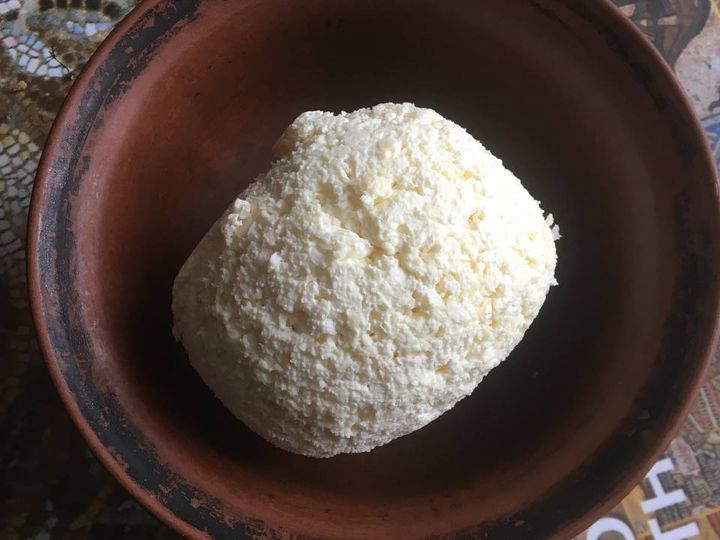
A fresh cheese of loose curds dressed with cream and salt, never pressed or aged. It is mild, lumpy, and eaten with a spoon, sweet or savory.
| Category | Yogurt & Cultured |
|---|---|
| Maker / Origin | United States |
| Storage | Keep sealed in its tub in the fridge. Some store it upside down to seal the lid with the cheese itself. |
| Shelf life | About 1 to 2 weeks; check the date on the tub. It sours quickly once opened, so finish it within about 5 days. |
| Best uses | Eating with fruit, toast toppings, lasagna and stuffed shells, dips, and salads. |
| Substitutes | Ricotta for cooking, or Greek yogurt for a smooth, tangy alternative. |
| Pairings | Fruit, tomatoes, chives, toast, and baked potatoes. |
| Last checked | October 18, 2026 |
About it
Cottage cheese was the farmhouse cheese of cottages: curds from skim milk, dressed rather than pressed. Its mildness is the point. Small-curd and large-curd (California style) differ only in how the curd is cut before cooking.
Storing it
Cottage cheese does not freeze well; the curds turn watery and grainy. Buy the tub size you will finish within the week.
Using it
Spoon cottage cheese over fruit or toast, blend it smooth for dips and pancakes, or layer it into lasagna in place of some ricotta.
Swaps & pairings
Ricotta covers lasagna and baking with a smoother texture. Greek yogurt swaps in for eating with fruit when you want tang instead of curds.
More from this maker: United States