
Greek Yogurt
Yogurt strained to remove most of its whey, making it thick enough to stand a spoon in, with a dense, tangy taste. It is a strained yogurt, not a separate culture.
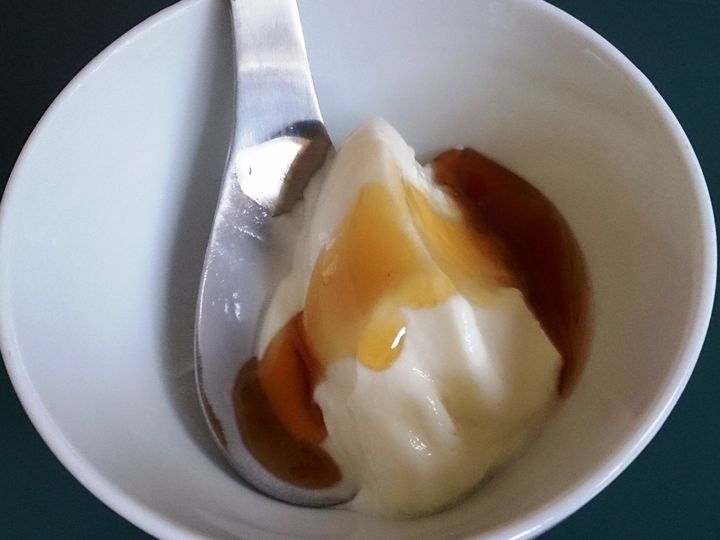
| Category | Yogurt & Cultured |
|---|---|
| Maker / Origin | Greece |
| Storage | Keep sealed in its tub in the fridge. Use a clean spoon each time to keep the cultures clean. |
| Shelf life | About 1 to 2 weeks in the fridge; check the date on the tub. A little surface whey is normal; stir it back in. |
| Best uses | Breakfast bowls, tzatziki, marinades, baking, and as a sour cream substitute. |
| Substitutes | Skyr, or regular yogurt strained in cheesecloth for a few hours. |
| Pairings | Honey, walnuts, granola, cucumbers, and olive oil. |
| Last checked | October 18, 2026 |
About it
Greek yogurt is not a different culture but a different concentration: straining removes whey until the yogurt is two to three times as thick as regular, which is why it carries roughly twice the protein per cup. Traditional Greek yogurt is strained in cloth.
Storing it
Greek yogurt freezes for up to 2 months; thawed, it turns grainy and suits cooking and smoothies better than eating plain.
Using it
Use Greek yogurt in marinades, where its acid tenderizes, and in tzatziki and dips. In baking it swaps for sour cream one for one.
Swaps & pairings
Skyr is the closest swap, even denser. Regular yogurt strained through cheesecloth becomes Greek-style at home. Sour cream covers savory cooking at a richer level.
More from this maker: Greece