
Cream Cheese
A soft, fresh, mildly tangy American cheese, spreadable straight from the package. The bagel's partner, and the base of cheesecake and cream cheese frosting.
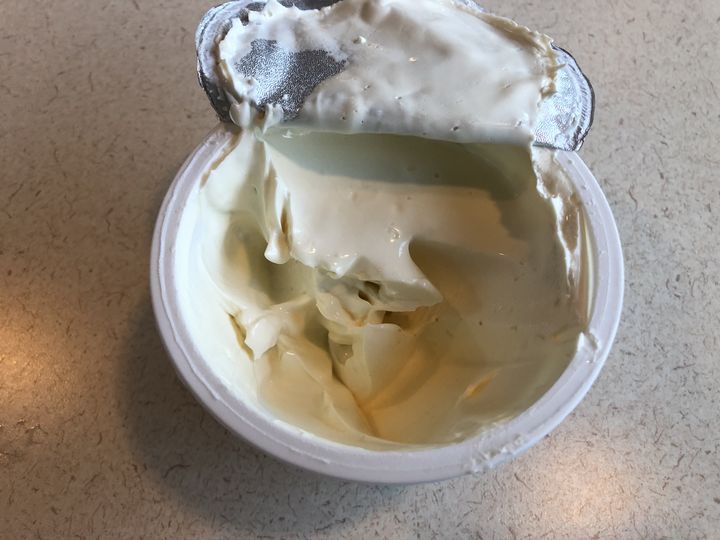
| Category | Butter & Spreads |
|---|---|
| Maker / Origin | United States |
| Storage | Keep refrigerated in its foil or tub, tightly rewrapped. Bring to room temperature before spreading or baking. |
| Shelf life | About 2 weeks once opened; unopened foil blocks keep about a month past their date stamp in the fridge. |
| Best uses | Bagels, cheesecake, frosting, dips, stuffed peppers, and creamy sauces. |
| Substitutes | Neufchâtel (lighter), mascarpone, or blended Greek yogurt for spreads. |
| Pairings | Bagels and smoked salmon, graham crackers, carrot cake, and fresh berries. |
| Last checked | October 18, 2026 |
About it
Cream cheese was developed in New York in the 1870s, when dairyman William Lawrence set out to make a richer version of French Neufchâtel and landed on something new. The Philadelphia brand, launched soon after, made it America's bagel standard.
Storing it
Cream cheese molds faster than hard cheeses; discard the block if mold appears rather than trimming it. It freezes acceptably for baking and dips, though the texture turns slightly grainy for spreading.
Using it
Room-temperature cream cheese blends smooth; cold cream cheese lumps. Beat it first in frostings and cheesecakes, soften blocks for dips, and fold it into hot pasta sauces for instant creaminess.
Swaps & pairings
Neufchâtel is the nearest swap and a little lighter. Mascarpone is richer and sweeter, lovely in desserts. For spreads and dips, strained Greek yogurt brings the same tang with a lighter body.
More from this maker: United States