
Ghee
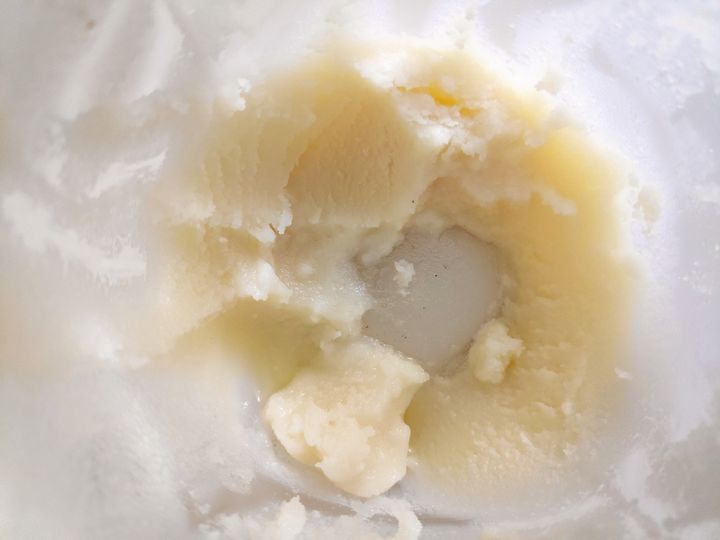
Clarified butter from India, simmered longer than standard clarified butter so the solids toast lightly. Rich and nutty, shelf-stable, and built for high heat.
| Category | Butter & Spreads |
|---|---|
| Maker / Origin | India |
| Storage | Keep in a sealed jar away from heat and light. Always use a dry spoon; water in the jar shortens its life. |
| Shelf life | About 3 months in a cool pantry; up to a year refrigerated. Keep water out of the jar. |
| Best uses | Indian cooking, searing, roasting, frying, and finishing flatbreads and rice. |
| Substitutes | Clarified butter, or a neutral high-heat oil for frying (flavor changes). |
| Pairings | Curries, dal, naan and roti, roasted spices, and popcorn. |
| Last checked | October 18, 2026 |
About it
Ghee begins as butter simmered until the water evaporates and the milk solids separate and lightly brown, then it is strained. Removing the solids is why ghee keeps without refrigeration and fries hotter than butter without burning.
Storing it
Ghee firms up in cool rooms and melts in warm ones; both are normal. If it smells sharp or rancid rather than nutty, discard it. Refrigeration extends its life to about a year.
Using it
Ghee's smoke point is about 485 degrees Fahrenheit, far above butter's, so it sears and fries cleanly. Bloom whole spices in hot ghee at the start of a curry, or brush it over flatbreads as they come off the pan.
Swaps & pairings
Clarified butter is the direct swap, a little milder because its solids are not toasted. Coconut oil covers the frying role in many Indian dishes. Plain butter cannot match ghee's heat tolerance; its solids will scorch.
More from this maker: India