
Parmesan
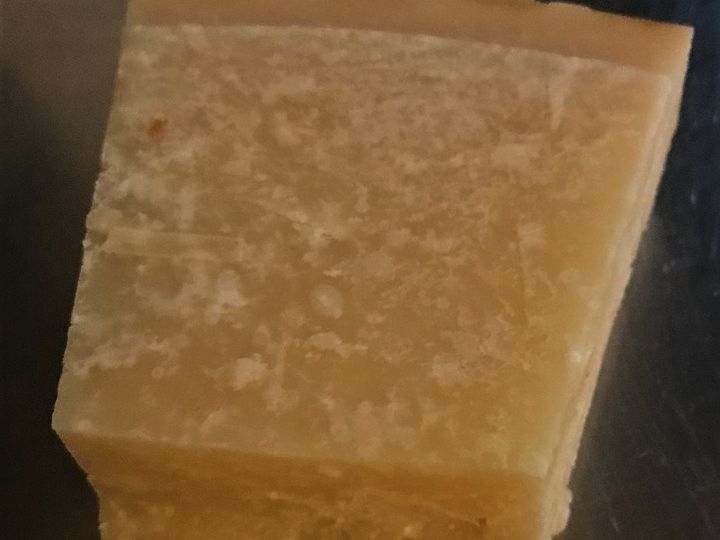
A hard, granular Italian cheese from Emilia-Romagna, aged at least 12 months and often two to three years. True Parmesan, Parmigiano-Reggiano, is one of the world's great grating cheeses.
| Category | Cheese |
|---|---|
| Maker / Origin | Emilia-Romagna, Italy |
| Storage | Wrap in parchment or wax paper, then foil, and refrigerate. Keep the rind on until serving. |
| Shelf life | Months in the fridge when wrapped well; a wedge keeps about 2 to 3 months. Grated, about 1 week at best flavor. |
| Best uses | Grating over pasta, risotto, soups, salads, and sauces; the rind flavors broths. |
| Substitutes | Grana Padano, Pecorino Romano (saltier), or aged Asiago. |
| Pairings | Pears, walnuts, honey, balsamic vinegar, and sparkling or full-bodied wines. |
| Last checked | October 18, 2026 |
About it
Each wheel is made from part-skim cow's milk, salted in brine, and aged until the paste turns golden, firm, and full of crunchy protein crystals. The long aging is why Parmesan tastes nutty, savory, and deep rather than simply salty.
Storing it
If a spot of mold appears, cut it away with a wide margin; hard aged cheeses are dense enough for this to be safe. Save rinds in the freezer; drop one into a soup or tomato sauce for depth, then remove it.
Using it
Grate or shave it fresh; pre-grated cheese dries out and loses aroma. Stir it into risotto off the heat so it melts silky instead of clumping, and finish pasta with a handful plus a splash of the cooking water.
Swaps & pairings
Grana Padano is the closest swap, made the same way nearby. Pecorino Romano brings a saltier, sharper sheep's-milk bite; cut the dish's added salt if you use it. Aged Asiago works for grating and snacking.
More from this maker: Emilia-Romagna, Italy