
Brie
A soft, bloomy-rind cow's-milk cheese from the Île-de-France region of France. Under its white rind, ripe Brie turns creamy and buttery with a mild, earthy flavor.
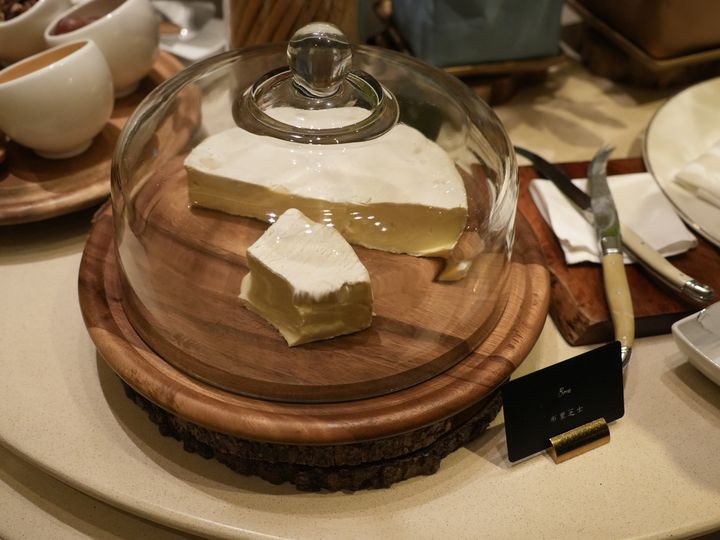
| Category | Cheese |
|---|---|
| Maker / Origin | Île-de-France, France |
| Storage | Keep in its original wrap or wax paper in the fridge; let it breathe rather than sealing it airtight. |
| Shelf life | About 1 to 2 weeks in the fridge. Best eaten within a few days once ripe and cut. |
| Best uses | Cheese boards, baked Brie, sandwiches, tarts, and sauces. |
| Substitutes | Camembert (earthier), or a soft triple-cream cheese. |
| Pairings | Champagne, chardonnay, figs, honey, walnuts, and baguette. |
| Last checked | October 18, 2026 |
About it
Brie ripens from the outside in: molds form the soft white rind, and enzymes slowly turn the center supple and glossy. A ripe wedge gives gently when pressed and smells faintly of mushrooms and cream; an underripe one stays chalky in the middle.
Storing it
Bring Brie to room temperature for about an hour before serving. A strong ammonia smell or a slimy rind means it has passed its best. Freezing is not recommended except for cheese destined for cooking.
Using it
Bake a whole wheel until it slumps, then top with jam or nuts. Slice it rind-on for sandwiches, or trim the rind and melt the center into pasta sauces and soups for a gentle, creamy body.
Swaps & pairings
Camembert is the closest relative and a touch earthier. Any soft-ripened or triple-cream cheese keeps the same role on a board. For baked Brie, a small wheel of either gives the same molten result.
More from this maker: Île-de-France, France